
Vessel certificate replacement is a critical aspect of marine safety and legal compliance. In the U.S., Coast Guard oversees certifications in most states, mandating new certificates after significant modifications or repairs. Key steps include updating documents, ensuring accurate vessel info, and promptly addressing registration lapses, especially when dealing with lost or stolen plates. Services like Quick Auto Tags offer expedited solutions, while staying proactive through detailed record-keeping streamlines the process. Correcting deficiencies promptly prevents legal issues and contributes to safer boating.
Navigating the complexities of marine certification can pose significant challenges for professionals seeking to operate vessels safely and legally. Ensuring proper documentation and staying current with regulatory requirements is vital for maintaining compliance and public safety. However, the process of obtaining or replacing vessel certificates can be cumbersome, time-consuming, and fraught with technicalities. This article offers authoritative guidance on getting professional assistance with marine certification, including seamless Vessel Certificate Replacement, to streamline your journey and ensure uninterrupted operations.
- Understanding Marine Certification Requirements
- Identifying When a Vessel Certificate Needs Replacement
- Locating Authorized Marine Certification Bodies
- Preparing for the Certification Examination
- Submitting Applications and Supporting Documentation
- Assessing and Correcting Any Deficiencies
- Maintaining and Renewing Your Marine Certificate
Understanding Marine Certification Requirements

Navigating the complexities of marine certification can be a daunting task for many, but understanding the requirements is key to ensuring compliance and safety at sea. The process involves meticulous attention to detail, from ensuring proper documentation to adhering to specific regulations. One crucial aspect often overlooked is vessel certificate replacement, which serves as a vital component in maintaining legal adherence.
Vessels, like any other form of transportation, require regular certification to safeguard their operation and the safety of their occupants. In the United States, the Coast Guard plays a pivotal role in this regard, overseeing various types of marine certifications. For instance, when a vessel undergoes significant modifications or repairs that affect its structural integrity or safety systems, a new certificate becomes imperative. This process involves submitting detailed applications, accompanied by relevant documentation and fees, to the appropriate Coast Guard authority.
The Reg 156 form is a critical document in this certification journey, particularly for those requiring sticker replacements. In California, for instance, stolen stickers can be replaced through a simple application process, ensuring continuity in vessel registration. Additionally, services like Quick Auto Tags offer efficient solutions, providing new license plates within 1-3 business days, depending on the specific circumstances. This swift service is especially beneficial when facing urgent vessel certification needs, allowing owners to get back to their nautical adventures promptly.
Expert advice suggests that staying proactive and keeping detailed records can streamline the certification process. Regularly reviewing and updating documentation, including vessel logs and maintenance records, ensures a smoother transition during certificate renewals or replacement requests. By embracing these best practices, marine enthusiasts can confidently navigate the regulatory landscape, enjoying their time on the water with peace of mind.
Identifying When a Vessel Certificate Needs Replacement

The process of ensuring your vessel’s safety and legality is paramount for any responsible boat owner. A key aspect often overlooked is identifying when a vessel certificate needs replacement, a crucial step to avoid potential penalties and ensure uninterrupted navigation. Over time, these certificates may become damaged, expire, or require updates due to changes in vessel ownership or specifications. For instance, a simple rip or tear in the document could render it unreadable, necessitating a replacement to maintain compliance with maritime regulations.
In California, for instance, the Department of Motor Vehicles (DMV) plays a vital role in marine certification, handling plate replacements and renewals. If you receive a DMV renewal notice or discover a lost plate, it’s essential to act promptly. Many boat owners opt for streamlined solutions like Hassle-free DMV sticker renewal through Quick Auto Tags to simplify this process. This approach ensures that your vessel remains legally equipped with the necessary certifications, avoiding any disruptions while cruising along California’s riverside.
Recognizing the signs that prompt a vessel certificate replacement is key. Look out for any damage, missing information, or outdated details. For instance, if the certificate no longer accurately reflects your vessel’s current dimensions or ownership details, it’s time for a refresh. Similarly, a DMV plate replacement might be necessary when the existing plate is illegible, damaged beyond repair, or has been stolen. Proactive management of these documents not only prevents legal issues but also ensures you can enjoy your boating adventures without unnecessary stress.
Locating Authorized Marine Certification Bodies

Navigating the process of vessel certificate replacement or addressing a lost DMV renewal notice in California can be challenging, especially for those unfamiliar with marine certification requirements. This is where Authorized Marine Certification Bodies (AMCBs) play a vital role. These organizations are responsible for issuing and managing vessel certificates, ensuring compliance with safety standards, and facilitating efficient administrative procedures.
Identifying the correct AMCB is crucial, as they vary by region. In California, for instance, boaters must deal with local and state agencies to obtain or replace vessel documentation. Online resources can help streamline this process; many states now offer digital platforms for license plate replacement and registration updates, providing fast and convenient services. Quick Auto Tags, for example, offers vehicle plate replacement assistance, ensuring a swift turnaround time for those in need of urgent sticker delivery (1-3 times faster than traditional methods). This is particularly beneficial when facing time-sensitive issues like lost renewal notices.
When seeking vessel certificate replacement or assistance with expired registrations, it’s essential to consult the official website of your local marine regulatory body. They can provide detailed instructions and lists of authorized certification bodies operating within their jurisdiction. By following these guidelines, boaters can ensure they are working with legitimate sources, avoiding potential scams or fraudulent activities. This meticulous approach guarantees that every vessel remains safely registered, up-to-date, and compliant with maritime regulations.
Preparing for the Certification Examination
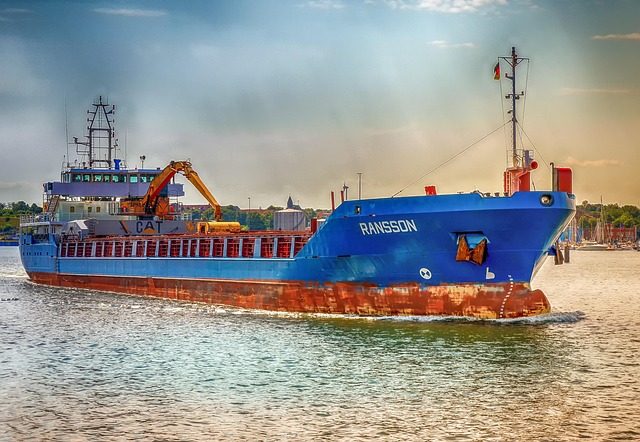
Preparing for your marine certification examination is a crucial step in ensuring you meet all necessary requirements for operating vessels in California. One of the key aspects to focus on is updating your registration card and obtaining essential documents like proof of insurance—all vital components of the vessel certificate replacement process. Start by reviewing the specific guidelines provided by the California Department of Motor Vehicles (DMV) to understand what information needs to be updated on your registration card, especially if you’ve recently purchased a new vessel or made significant modifications. This meticulous attention to detail will streamline the entire certification process and ensure compliance from the outset.
The process involves gathering comprehensive documentation, including proof of insurance for plates 1-3 times, depending on the type of vessel and coverage requirements. It’s essential to verify that your insurance policy aligns with the California DMV’s specifications to avoid any delays or complications during the certificate replacement application. For instance, if you’re navigating rivers using a small motorboat, specific policies might be necessary for river travel, ensuring you have the right coverages in place before attempting to obtain your vessel certificate.
To simplify matters and save time, consider leveraging professional assistance from experts like Quick Auto Tags, which offers convenient plate replacement support. Their services streamline the updating of registration cards and ensure all required documents are correctly submitted, minimizing potential errors. This is particularly beneficial for individuals who lack experience in navigating administrative processes or those short on time. By utilizing their expertise, you can focus on enjoying your time on the water while they handle the behind-the-scenes work, ensuring a seamless vessel certificate replacement process.
Submitting Applications and Supporting Documentation

Navigating the process of vessel certificate replacement or addressing lost DMV renewal notices in California requires careful attention to detail and a solid understanding of the necessary documentation. This is where professional assistance can prove invaluable, ensuring your application’s accuracy and swift approval. When it comes to submitting applications and supporting documents for marine certification, our experts at Quick Auto Tags are well-versed in guiding clients through every step, especially when dealing with California’s unique requirements.
One common challenge many boaters face is the replacement of a vessel certificate or updating their registration card. If you’ve lost your DMV renewal notice or are unsure about the process, don’t panic. Our team can help you gather and organize the essential paperwork, including Form Reg 156 for sticker renewals, ensuring compliance with California’s regulations. For instance, if you require a vehicle sticker renewal for the first, second, or third time, understanding the proper forms and procedures is crucial to avoiding delays. Quick Auto Tags offers a hassle-free solution with our comprehensive DMV sticker renewal service.
The process involves submitting a complete application package that includes proof of insurance, updated registration information, and any applicable fees. Our professionals will ensure your documents are in order, preventing potential issues that could lead to prolonged waiting times or even rejection. By leveraging our expertise for vessel certificate replacement, you can rest assured that your boating activities won’t be disrupted due to administrative matters. This is particularly beneficial when time is of the essence, such as during peak boating seasons.
Assessing and Correcting Any Deficiencies

When ensuring your vessel’s safety and legality, assessing and correcting any deficiencies in your marine certification is a crucial step. This process involves scrutinizing various aspects of your documentation, including license plates, registration cards, and other pertinent records. For instance, if you’ve experienced damaged or stolen license plates—a common issue that can occur in bustling ports and marinas—you must replace them promptly to avoid any legal complications. In California, for example, updating your registration card upon discovery of a damaged or stolen plate is not just recommended but mandatory to maintain compliance with state regulations.
A thorough review should also account for any discrepancies or outdated information on your vessel certificate. Vessel certificate replacement is a natural part of marine certification maintenance, ensuring that all documentation accurately reflects the current status of your vessel. This process requires attention to detail and a clear understanding of the regulatory framework governing maritime operations. For instance, if your license plate has been stolen more than once, it’s imperative to report these incidents to the relevant authorities and obtain replacement plates as soon as possible. Quick Auto Tags, a trusted provider in the industry, offers replacement plates and stickers, ensuring you can get back to sea safely and legally.
In some cases, correcting deficiencies might involve obtaining additional documents or providing updated information to the certifying authority. This could include proof of insurance, safety equipment certification, or changes in vessel ownership. It’s essential to stay proactive in managing these aspects to avoid delays that could impact your marine operations. Regularly scheduled assessments and prompt correction of any issues not only safeguard your legal standing but also contribute to a safer maritime environment.
Maintaining and Renewing Your Marine Certificate

Maintaining and renewing your marine certificate is a crucial aspect of responsible boating. As time passes, vessels undergo changes—from equipment upgrades to modifications in ownership. Consequently, keeping your certification current becomes essential for safety purposes and adherence to maritime regulations. The process involves several key steps, including updating necessary documents, ensuring accurate vessel information, and promptly addressing any lapses in registration.
One common requirement across jurisdictions is the proper placement of a license plate sticker. In California, for instance, boaters must display an updated registration card with a specific sticker placed prominently on their vessel’s hull or stern. This visual reminder serves as a quick check to ensure your certificate remains active. It’s worth noting that the DMV replacement plate fees in California are relatively nominal, making it convenient for boat owners to stay compliant. For instance, a standard plate renewal might cost around $50-$75, depending on factors like the type of vessel and any additional services required.
When faced with vessel certificate replacement or renewal, it’s advisable to seek professional assistance from reliable services such as Quick Auto Tags. These experts can guide you through the process, ensuring accuracy and saving you time. They offer DMV plate replacement services tailored to California’s unique requirements, ensuring your boat is legally registered and ready for the open waters. Remember, staying up-to-date with certifications not only benefits your boating experience but also contributes to a safer marine environment.
By understanding the comprehensive process outlined in this article, you are now equipped to navigate the journey towards obtaining and maintaining your vessel certificate. Key takeaways include recognizing when a Vessel certificate replacement is necessary, identifying authorized certification bodies, and preparing thoroughly for examinations. Practical next steps involve submitting applications with supporting documentation, addressing any deficiencies, and staying updated on renewal requirements. This authoritative guide empowers readers to confidently manage their marine certification, ensuring compliance and peace of mind on the open seas.


