
Vessel certificate replacement involves several crucial steps:
1. Contact the relevant authority (e.g., DMV) for guidance on requirements, including forms, proof of ownership/identification, and deadlines.
2. Verify eligibility based on registration status, safety inspections, and jurisdiction-specific criteria.
3. Gather essential documents like ID, vehicle registration, and insurance proof. Use digital platforms when available for efficiency and security.
4. Choose the appropriate government agency; specialized maritime authorities may be recommended for specific coastal regulations.
5. Schedule an appointment, understanding local procedures and fee structures. Prepare documents in advance to streamline the process.
6. After replacement, update your vessel certificate with new details from official DMV documentation to maintain accurate records.
In today’s world, ensuring the integrity of personal documents is paramount. The process of booking an appointment for ID replacement, especially when it comes to vessel certificate replacement, can be complex and time-consuming. Many individuals face challenges navigating this procedure, often due to outdated systems and bureaucratic hurdles. As a professional with extensive experience in document management, we offer authoritative guidance on seamlessly replacing your IDs. This article provides a step-by-step approach, ensuring you are well-prepared for the process, thereby saving time and effort while maintaining the required documentation’s accuracy and validity.
- Understanding ID Replacement Process
- Eligibility Criteria for Appointment Booking
- Gather Required Documents for Vessel Certificate Replacement
- Choosing the Right Government Agency or Department
- Schedule an Appointment: Tips and Best Practices
- Prepare for Your ID Replacement Visit
- Post-Appointment Steps: Vessel Certificate Update
Understanding ID Replacement Process

The process of replacing a lost or damaged Identification (ID) document, such as a vessel certificate, involves several steps designed to ensure security and maintain legal compliance. It is crucial to understand this process before initiating the replacement to avoid delays and potential complications. In many jurisdictions, including California, where DMV lost plate replacement procedures are followed, the initial step typically entails contacting the relevant authority, in this case, the Department of Motor Vehicles (DMV). This interaction facilitates the initiation of the replacement process, which often requires providing proof of insurance, a crucial document for verifying your vehicle’s registration and coverage.
Upon verification, the DMV or designated agency will guide you through the specific requirements for vessel certificate replacement. This may involve submitting a formal request, filling out necessary forms, and providing any additional documentation, such as proof of ownership or identification. For instance, in California, the DMV offers both online and in-person services for lost plate replacements, streamlining the process for residents. Once all required documents are submitted and approved, the authority will issue a replacement certificate, often accompanied by new registration stickers. These replacement plates and stickers, available at authorized locations like Quick Auto Tags, serve as official markers of your vehicle’s registration status, ensuring compliance with legal requirements.
The entire replacement process is designed to be straightforward when followed correctly. However, it is essential to remain organized and attentive to deadlines. Many jurisdictions have specific time frames for reporting a lost or damaged ID, and failing to adhere to these could lead to penalties. As such, proactive measures, like regularly updating your vehicle’s registration and keeping proof of insurance readily available, can significantly facilitate the replacement process should any issues arise.
Eligibility Criteria for Appointment Booking
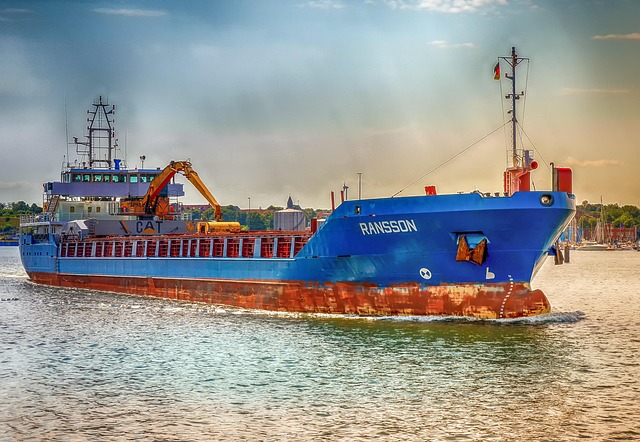
To book an appointment for a vessel certificate replacement or any related service, understanding your eligibility is crucial. In many jurisdictions, including California, you must meet specific criteria before scheduling an appointment. Typically, this includes verifying that your vessel remains in good standing with regard to registration and safety inspections. For instance, all vessels must be registered with the appropriate marine authority, and certain types might require additional permits or certifications based on their size, use, or intended operation.
Eligible applicants often include current vessel owners who need to renew their registration, replace lost or damaged documentation, or update personal information. If your vessel has been stolen, you may also be eligible for a stolen sticker replacement in California or other forms of assistance to prevent fraud and maintain the integrity of the registration system. The process usually involves providing proof of ownership, such as a purchase agreement or title document, along with any relevant law enforcement reports if the vessel was reported stolen.
For those needing to replace replacement registration stickers, Quick Auto Tags offers Quick DMV replacement plates help tailored to streamline these processes. They can guide you through the eligibility requirements and assist with gathering necessary documents, ensuring a smoother transition during your appointment. It’s advisable to check with your local DMV or marine agency for specific guidelines as regulations can vary. Regularly reviewing dmv renewal notices is also beneficial, allowing you to proactively address any potential issues before they affect your vessel’s legal status.
Gather Required Documents for Vessel Certificate Replacement

When preparing for a vessel certificate replacement, one of the most crucial steps is gathering the required documents. This process demands meticulous attention to detail, as each document plays a vital role in ensuring your application’s smooth progression. Among these, the most critical are proof of identity and vehicle registration. It’s essential to have these ready before initiating any replacement procedures, whether through a local DMV or online services like Quick Auto Tags’ streamlined platform for California residents.
For instance, if you’re seeking dmv replacement plates in California, you’ll need to provide a valid driver’s license or state-issued ID card as proof of identity. Additionally, your vessel’s registration certificate, often referred to as the ‘Vessel Certificate’, must be presented. This document verifies not only your ownership but also ensures compliance with local marine regulations. In some cases, damaged license plates may require replacement, underscoring the importance of maintaining comprehensive records for future reference and hassle-free vessel certificate replacement processes.
Online license plate replacement services, such as Riverside plate and sticker replacement by Quick Auto Tags, offer a convenient alternative to traditional methods. These platforms allow you to upload necessary documents digitally, eliminating the need for physical visits. This modern approach not only saves time but also enhances security through encrypted data transmission. When utilizing these services, ensure that all uploaded documents are clear, legible copies, as any ambiguity may delay the replacement process. Keeping a well-organized digital folder with important documents can significantly facilitate this procedure.
Choosing the Right Government Agency or Department

Choosing the right government agency or department to handle your vessel certificate replacement or lost registration card replacement is a crucial step in ensuring a smooth process. In many jurisdictions, the local Department of Motor Vehicles (DMV) oversees vehicle and boat registrations, making them a logical first point of contact. However, for specialized cases like marine vessels, dedicated maritime authorities or coastal management agencies may be more equipped to handle your request. For instance, in regions with extensive coastlines, these agencies often have specific procedures for replacing vessel certificates, taking into account unique local regulations.
One common requirement across jurisdictions is the submission of Form REG 156 for sticker replacements. This form details essential information about your vessel, including its make, model, and registration number, aiding in accurate identification and processing. It’s important to fill this out meticulously and provide all necessary documents, such as proof of ownership and valid insurance. Some regions may also offer expedited or quick auto tags replacement services for urgent situations, ensuring minimal disruption to your operations. For instance, Quick Auto Tags provides DMV plate replacement services, allowing customers to obtain new plates within a short turnaround time.
Before proceeding, verify the specific requirements and accepted methods for vessel certificate replacement in your area. Each government agency may have unique procedures or additional forms needed. Keep records of all communications and documents for future reference, as well as to facilitate any follow-up actions required by the agency. This meticulous approach ensures a smoother process and reduces potential delays or complications during your vessel certificate replacement journey.
Schedule an Appointment: Tips and Best Practices

Scheduling an appointment for vessel certificate replacement or riverside plate replacement can seem like a daunting task, especially if you’ve been caught off guard by a stolen plate or damaged riverfront sticker. Quick Auto Tags offers a hassle-free solution for navigating these situations. The first step is to understand your local Department of Motor Vehicles (DMV) procedures for riverside replacement plates and ensuring all necessary documents are in order. This process varies slightly across jurisdictions, so it’s crucial to verify with your specific DMV branch.
For instance, if your riverfront sticker has been stolen, you’ll typically need to provide proof of ownership and file a police report. Following this, schedule an appointment at the nearest riverside DMV or tag office. Many locations now offer online scheduling, making the process convenient. During your visit, bring all required documents, including your vehicle registration, driver’s license, and the official report from law enforcement regarding the stolen plate.
In today’s digital age, many states are transitioning to advanced systems for vehicle registration and plate replacement, such as Quick Auto Tags’ online services, simplifying the process for customers. These platforms not only streamline appointments but also ensure that your vessel certificate or riverfront sticker is replaced accurately and efficiently, allowing you to get back on the water swiftly.
Prepare for Your ID Replacement Visit

Before you book an appointment for your ID replacement, there are several crucial steps to prepare, ensuring a smooth and efficient visit. Firstly, gather all necessary documents, such as proof of identity, vehicle registration, and insurance information. These documents will be required by the issuing authority to verify your identity and update your records accurately. Secondly, double-check that your current identification cards or driver’s licenses are valid and up-to-date; any expiration dates should be noted to avoid delays.
Additionally, it is beneficial to research the specific requirements for vessel certificate replacement in your area. Some regions may have unique processes or additional documents needed, so being prepared with this knowledge will save time. For instance, if you’re replacing riverside registration stickers or vehicle plates, ensure you understand where and how these are obtained from official centers like Quick Auto Tags, which offers a quick auto tags plate service, making the process more convenient.
Another essential aspect is to be mindful of any fees associated with the replacement. These can vary based on factors like urgency, type of ID, or even the time of year. Planning financially and being aware of these costs can help avoid unexpected expenses. Lastly, consider reaching out to the relevant authority beforehand to inquire about any potential delays or special arrangements needed for your visit, especially if you have unique circumstances.
Post-Appointment Steps: Vessel Certificate Update

After successfully booking an appointment for your ID replacement, be it due to a lost plate in California (DMV lost plate replacement), damaged license plates, or stolen plates like those in Riverside, the process isn’t over until you update your vessel certificate. This crucial step ensures that all official records reflect the changes made to your identification. Upon leaving your appointment, carefully review any new documents provided by the DMV; these will contain updated information regarding your vehicle’s registration and license plate details.
The first order of business is to ensure that your vessel certificate accurately represents the vehicle you own. This document is a legal record, so any discrepancies or outdated information needs immediate attention. If your license plates have been replaced due to loss, damage, or theft, it’s vital to update these details on your certificate. For instance, if you’ve ordered new registration stickers through Quick Auto Tags as recommended by the DMV, make sure this updated information is reflected in the certificate.
To facilitate this process, keep all relevant documents organized and readily available. This includes proof of ownership, previous vessel certificates, and any records related to your license plate replacement. By staying proactive and ensuring your vessel certificate replacement is up-to-date, you’ll avoid potential issues when registering your vehicle or renewing your registration in the future.
By meticulously navigating the ID replacement process, eligibility criteria, required document gathering, and choosing the right government agency, you can efficiently manage your vessel certificate replacement. Key takeaways include preparing in advance, understanding the post-appointment steps for updating your vessel certificate, and adhering to best practices when scheduling and preparing for your visit. This comprehensive guide empowers you to confidently handle your ID and vessel certificate replacement needs with ease and authority.


