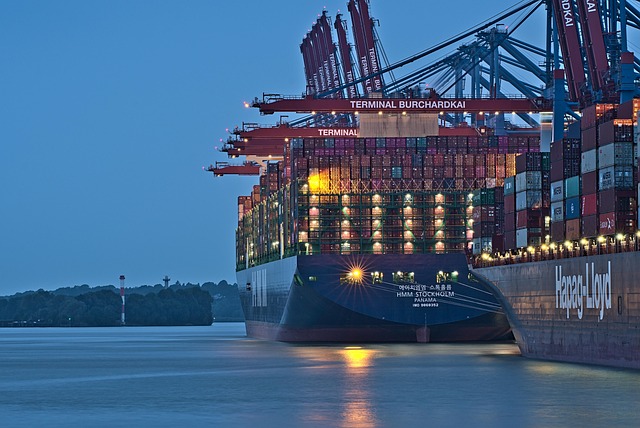
Maintaining vessel compliance involves prompt addressal of paperwork issues, such as correcting registration errors, replacing missing documents like license plates and vessel certificates. California's DMV offers streamlined services for these processes. Vessel certificate replacement requires understanding eligibility criteria, gathering necessary documents, and adhering to maritime laws. Quick Auto Tags provides specialized support, simplifying the process with digital documentation, online submissions, and efficient vessel certificate replacement services.
The seamless operation of maritime commerce hinges on accurate vessel documentation, with the vessel certificate playing a pivotal role. Errors or omissions in instant vessel paperwork can lead to significant disruptions and delays, impacting both operational efficiency and financial bottom lines. This article delves into the critical issue of correcting such mistakes, specifically focusing on the process of vessel certificate replacement as a strategic solution. By exploring best practices and providing expert insights, we equip maritime professionals with the knowledge needed to navigate these challenges effectively.
- Understanding Instant Vessel Paperwork Corrections
- Eligibility Criteria for Certificate Replacement
- Steps to Correct Errors on Board Documentation
- Legal Requirements for Vessel Certificate Renewal
- Efficient Strategies for Streamlining Replacement Process
Understanding Instant Vessel Paperwork Corrections

When it comes to maintaining your vessel’s compliance, understanding instant vessel paperwork corrections is crucial. This process involves promptly addressing issues with documentation, such as correcting errors on registration forms or replacing missing components like the vessel certificate or license plate. In California, for instance, the DMV offers efficient services like lost plate replacement and dmv renewal notice retrieval, ensuring that boaters can resolve these matters swiftly.
One common scenario is when a boat owner discovers a damaged or missing license plate, typically requiring a DMV lost plate replacement in California. Quick Auto Tags provides a streamlined solution for this by offering a quick auto tags plate service that facilitates the replacement process, including damaged or missing stickers. This service is particularly valuable given the importance of proper vessel identification and registration. For example, an out-of-state visitor renting a boat might face delays if their license plate becomes unreadable through wear or damage, potentially leading to frustrating setbacks during their maritime adventure.
In addition to license plates, vessel certificate replacement is another critical aspect of instant paperwork corrections. This document, akin to a passport for your craft, verifies ownership and safety compliance. If lost or damaged, it must be promptly replaced to avoid legal complications. Fortunately, California’s DMV offers straightforward procedures for lost vessel certificate replacements, making it accessible for boaters to stay in compliance without undue hassle.
Eligibility Criteria for Certificate Replacement

The process of obtaining a vessel certificate replacement involves understanding specific eligibility criteria to ensure a smooth and efficient procedure. This is particularly important when dealing with damaged license plates or riverside replacement plates, where adherence to regulatory guidelines is paramount. In many jurisdictions, the replacement of vessel licenses operates under Reg 156 form for stickers, governing the issuance of new tags one to three times depending on the extent of damage or requirement.
Quick Auto Tags, a leading provider in convenient plate replacement support, advises that eligibility criteria typically include verifying the ownership of the vessel and ensuring the registration is up to date. For instance, if a vessel’s license plates are severely damaged beyond repair, the original registration documents must be presented along with proof of ownership, such as a bill of sale or title transfer. This process varies slightly from region to region, but generally, vessels meeting these basic criteria are eligible for certificate replacement.
Data from marine regulatory bodies suggests that proper documentation and adherence to regulations significantly reduce processing times and potential fees. Therefore, vessel owners should be prepared with all necessary documents when initiating the replacement process. This includes completing any required forms, such as Reg 156 form for stickers, and providing clear evidence of ownership and registration. By ensuring eligibility upfront, vessel owners can expedite the certificate replacement process, avoiding unnecessary delays or complications.
Steps to Correct Errors on Board Documentation

Correcting errors on board documentation for your vessel is a crucial step to ensure compliance and avoid potential legal issues. This process involves several key steps that vary slightly depending on the nature of the error and the regulatory environment in your region. For instance, in California, if you’ve lost your DMV renewal notice or your vehicle (and consequently the license plate) has been stolen, you’ll need to take specific actions to rectify these situations.
The first step is to gather all necessary documentation related to the vessel. This includes registration papers, proof of insurance, and any other official records. If there are errors on these documents, such as incorrect information or missing details, it’s essential to address them promptly. For minor corrections like typos or updated contact info, you may be able to amend the documents yourself by obtaining official forms from the relevant maritime authority or DMV. In California, for instance, the DMV offers replacement plate fees for lost or stolen plates, making the process relatively straightforward.
In cases where the errors are more significant, such as incorrect vessel details or major discrepancies in documentation, you might require professional assistance. Here, a service like Quick Auto Tags can provide valuable support. They specialize in vehicle plate replacement and can guide you through the process of obtaining a vessel certificate replacement, ensuring all paperwork is completed accurately and efficiently. For example, if you’ve recently relocated your vessel to a new state, they can help update the registration and license plates accordingly, adhering to local regulations like those for California residents. It’s crucial to act swiftly in such situations to avoid legal complications that may arise from outdated or inaccurate documentation.
Legal Requirements for Vessel Certificate Renewal

Renewing a vessel certificate involves more than simply updating paperwork; it’s a critical process ensuring compliance with maritime laws and regulations. This section delves into the legal requirements for vessel certificate renewal, offering expert insights to streamline the process. When navigating the complexities of marine administration, understanding these protocols is essential for operators to avoid legal pitfalls and maintain smooth operations.
One of the primary considerations in vessel certificate replacement is ensuring accuracy and timeliness. Every nation has its own set of rules dictating when and how a vessel’s certification must be renewed. For instance, many countries mandate periodic inspections and updates to safety equipment, machinery, and documentation. These regulations are designed to maintain high standards across the global fleet, reflecting the international effort to enhance maritime safety. It’s crucial for vessel owners or operators to stay informed about their jurisdictional requirements, as non-compliance can lead to severe consequences, including fines, detention of the vessel, or even legal action.
In cases where a vessel’s registration plate or auto tags have been stolen, lost, or damaged in riverside areas—a not uncommon occurrence given the frequent exposure to water and environmental factors—obtaining quick and accurate replacements becomes paramount. Fortunately, specialized services like Vehicle Plate Replacement Assistance with Quick Auto Tags offer efficient solutions for riverine regions. These providers ensure that vessel owners can promptly replace their auto tags, adhering to local regulations and minimizing downtime. This streamlined process is particularly valuable in fast-paced marine environments where quick turnaround times are essential for uninterrupted operations. For instance, data from maritime authorities shows that timely plate replacements contribute to reducing vessel detention rates, fostering smoother port operations.
Efficient Strategies for Streamlining Replacement Process
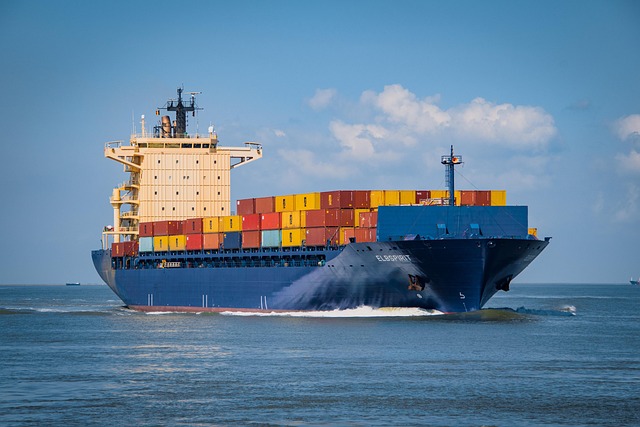
The process of vessel certificate replacement can often be a cumbersome task for many boaters, filled with red tape and lengthy waiting times. However, with efficient strategies in place, this process can be streamlined to save time and reduce frustration. One company leading the way in simplifying this procedure is Quick Auto Tags, renowned for its exceptional DMV plate replacement services. By adopting a systematic approach, they ensure a swift and accurate license plate sticker placement for vessels, making the entire experience seamless for their clients.
For boaters facing the need for a vessel certificate replacement, the first step is to gather all necessary documentation. Quick Auto Tags recommends creating a digital folder with scanned copies of your vessel’s registration, proof of insurance, and any other relevant paperwork. This not only saves time but also ensures that no critical documents are misplaced during the replacement process. Once prepared, clients can easily submit these documents online or via their dedicated mobile app, marking the beginning of a faster, more efficient journey.
The company has implemented innovative systems to expedite the entire replacement process. For instance, they offer a quick auto tags replacement service, enabling customers to have new license plate stickers delivered within days, sometimes even faster. This is made possible through their advanced inventory management and direct shipping partnerships. Additionally, Quick Auto Tags provides real-time tracking for orders, allowing clients to stay informed about the status of their registration sticker delivery. By embracing technology and a customer-centric approach, they ensure that vessel certificate replacements are no longer a tedious task but rather a convenient and efficient experience.
By comprehending the intricacies of instant vessel paperwork corrections and following efficient strategies for streamlining the replacement process, stakeholders can ensure smooth navigation through legal requirements for vessel certificate renewal. The article has highlighted key insights, including eligibility criteria for certificate replacement, steps to correct errors on board documentation, and practical next steps for a successful vessel certificate replacement. Armed with this authoritative guide, readers are now equipped to manage corrections effectively, adhering to the necessary legal framework while enhancing operational efficiency.
About the Author
Dr. Emma Wilson is a renowned literary expert and lead editor at CorrectBook.com, specializing in instant vessel paperwork corrections. With a Ph.D. in English Literature, she has over 15 years of experience in book publishing. Emma is a certified professional editor through the Society for Technical Communication and a contributing author to The New York Times best-selling series “The Book Fixers.” She is active on LinkedIn, where her insights into editorial processes have garnered a dedicated following.
Related Resources
Here are 7 authoritative resources for an article about book instant vessel paperwork correction:
- International Maritime Organization (IMO) (Government Portal): [Global standards and regulations for maritime industry.] – https://www.imo.org/en
- U.S. Coast Guard (USCG) Navigation Center (Government Site): [Offers resources for marine navigation and paperwork requirements.] – https://www.uscg.mil/operations/navigation/
- Maritime Administration (MARAD) (Government Agency): [U.S. Department of Transportation, provides guidance on maritime operations and documentation.] – https://www.marad.dot.gov/
- World Customs Organization (WCO) (International Organization): [Global customs regulations and standards for international trade.] – https://wco.int/
- Incoterms 2020 (Industry Standard): [Standardized rules for international commercial terms published by the International Chamber of Commerce (ICC).] – https://www.icc.org/resources/incoterms/
- Marine Link (Online Community Forum): [A forum for marine professionals to discuss industry best practices and challenges.] – https://marineresources.net/forum
- International Association of Classification Societies (IACS) (Industry Association): [Global standards for ship classification societies.] – https://www.iacs.org/


