
Understanding Marine ID requirements is crucial for vessel operation and legal compliance. Key tasks include replacing lost/stolen stickers (like CA registration decals) by reporting to DMV and obtaining new ones, and replacing or renewing vessel certificates when damaged or expired. California, including Riverside, has streamlined procedures for these processes.
Proactive document preparation, including proof of ownership and current certificate, ensures a smoother marine ID consultation. The process involves gathering documents, contacting marine service providers, discussing fees, and creating an action plan based on expert advice.
Vessel certificate replacement requires verifying registration, providing proof of ownership, and accurately placing license plate stickers (with authenticity confirmation). Quick Auto Tags offers convenient plate replacement support. Timely action is vital to avoid legal impediments.
After consultation, maintain compliance by promptly replacing expired or damaged certificates (like license plates) through official channels like Riverside DMV. Specialized services ensure unique identifiers for each vessel, avoiding issues from outdated paperwork.
In the dynamic realm of maritime operations, ensuring compliance and maintaining accurate identification are paramount for seamless navigation. The process of scheduling a consultation for marine ID, particularly Vessel Certificate replacement, is akin to navigating a complex labyrinth. Organisms across the industry face challenges in keeping up with stringent regulations, especially as vessel certificates age and require renewal. This article delves into the intricacies of this vital process, offering expert insights on streamlining consultations to enhance operational efficiency and ensure every vessel’s legal standing remains unassailable.
- Understanding Marine ID Requirements
- Preparing for Consultation: Key Documents
- Navigating the Consultation Process Step-by-Step
- Vessel Certificate Replacement: What You Need to Know
- Post-Consultation: Next Steps & Compliance
Understanding Marine ID Requirements
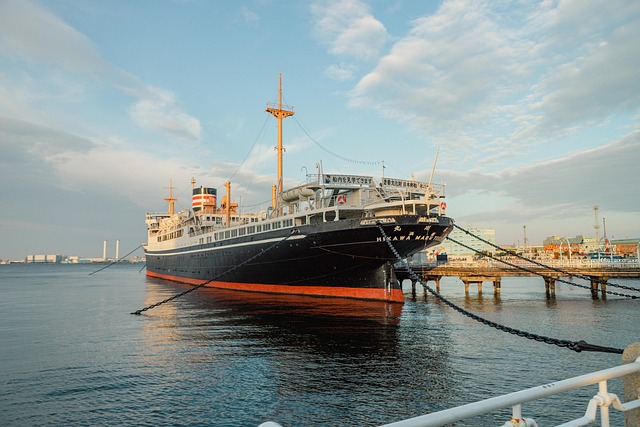
Understanding Marine ID Requirements is a critical step when it comes to vessel operation and compliance. Marine Identification, or Marine ID, serves as a unique identifier for vessels, facilitating efficient navigation, safety protocols, and regulatory adherence. This process involves several key components, each with its own set of guidelines and stipulations. One common scenario that requires careful attention is the replacement of lost or stolen stickers, particularly in California, where the DMV offers specialized services for such instances. For instance, if your vessel’s registration sticker has been compromised, you’ll need to promptly report it and secure a new one from the California DMV, ensuring uninterrupted legal operation.
Additionally, vessel certificate replacement is another vital aspect of Marine ID management. This document is a legal requirement for navigation in many jurisdictions, including California rivers. If your vessel certificate becomes damaged or expired, it’s imperative to initiate the replacement process through the appropriate authorities. Riverside DMV plate replacement services play a crucial role here, offering efficient solutions for boaters facing such situations. By understanding these requirements, vessel owners can avoid penalties and ensure their boats remain compliant with local regulations.
In cases where plates have been stolen, California provides specific procedures for obtaining replacements, ensuring the safety and security of boaters. The process typically involves contacting the DMV to report the theft, followed by the acquisition of new license plates, sometimes through specialized services like Fast License Plate Replacement at Quick Auto Tags. This swift action not only protects against potential legal issues but also safeguards the vessel’s identity in the event of unauthorized use. Staying informed about these requirements and utilizing available resources can streamline the Marine ID replacement process, allowing boaters to enjoy their time on the water with peace of mind.
Preparing for Consultation: Key Documents

Preparing for a marine ID consultation requires careful consideration and organization of key documents. One of the most critical documents to have ready is proof of your vessel’s ownership. This typically includes registration certificates and any historical documentation that demonstrates your authority over the vessel in question. If you’re replacing a lost or stolen plate, such as in California, where DMV lost plate replacement procedures are well-established, ensure you bring along official reports or police statements documenting the incident. For instance, Riverside residents can facilitate a swift riverside dmv lost plate replacement process with these documents.
Another essential document is your current vessel certificate, which may need replacement if damaged, worn out, or lost. The process for vessel certificate replacement varies slightly from state to state but generally involves submitting an application along with any required fees and relevant documentation. In California, the DMV provides specific forms for vessel registration renewal and replacement, ensuring a straightforward process. For those in Riverside, riverside dmv replacement stickers can be easily obtained by following these procedures.
Additionally, consider collecting any existing insurance policies or marine reports that could expedite the consultation process. These documents offer peace of mind and demonstrate your proactive approach to responsible vessel ownership. Should you require car sticker replacement service, Quick Auto Tags stands ready to assist with efficient and accurate solutions for a wide range of vehicle-related needs, including watercraft. By organizing these key documents in advance, you’ll ensure a smoother consultation, allowing experts to guide you through the specific requirements for your marine ID needs.
Navigating the Consultation Process Step-by-Step

Navigating the Consultation Process for Marine ID: A Step-by-Step Guide
The process of scheduling a consultation for marine identification (ID) can seem daunting, but with careful planning and expert guidance, it becomes a straightforward procedure. Here’s a comprehensive breakdown to help you every step of the way, focusing on vessel certificate replacement as a key aspect. First, gather all necessary documentation, including proof of ownership, previous marine ID, and any relevant registration records. This initial step is crucial for a smooth consultation. Once prepared, contact a trusted marine ID service provider who can offer guidance tailored to your specific needs.
During the consultation, discuss the specific requirements for vessel certificate replacement in your area, keeping California’s DMV regulations in mind. For instance, in California, replacement plate fees vary depending on the type of vessel and the reason for replacement. In Riverside, expect to pay around $10-$30 for a basic replacement sticker service, which is usually included in the overall vessel certificate renewal process. The consultant will guide you through these regulations, ensuring compliance from the start. They may also suggest additional services like quick auto tags plate replacements, especially if you’re looking for expedited service.
Following the consultation, create a plan of action based on the expert advice received. This might involve scheduling the vessel certificate replacement, ordering any necessary plates or stickers (including Riverside DMV replacement stickers), and ensuring all documentation is up to date. Remember, staying informed and proactive throughout this process will ensure a seamless transition for your marine ID needs. Consider engaging a service like Car Sticker Replacement Service by Quick Auto Tags to streamline the process further, saving you time and potential hassle down the line.
Vessel Certificate Replacement: What You Need to Know

When it comes to Vessel Certificate Replacement, many marine owners find themselves navigating a complex process shrouded in uncertainty. This guide aims to demystify the procedures and highlight key considerations for a smooth transition. A vessel’s certificate is more than just a document; it’s your legal permit to operate on open waters. If you’ve lost or damaged this crucial paperwork, replacement isn’t as straightforward as one might assume.
The process begins with verifying your vessel’s registration through the relevant marine authority. Once confirmed, you’ll typically require specific documentation, such as proof of ownership and identification. One common point of confusion involves license plate sticker placement; these stickers, often referred to as registration stickers, must be precisely positioned for validity. Online platforms offering online license plate replacement can streamline this process, allowing you to order new stickers from the comfort of your home. However, it’s crucial to verify their authenticity and reliability.
For instances where a certificate is beyond repair, requesting a replacement directly from the issuing authority becomes necessary. This path may involve additional fees and potentially longer processing times compared to replacement registration stickers. Quick Auto Tags, for instance, offers convenient plate replacement support, making the process faster and more accessible for those with busy schedules or limited access to traditional services. Remember, timely action is vital; prolonged delays could hinder your ability to sail legally. Always consult official guidelines and seek expert advice when needed.
Post-Consultation: Next Steps & Compliance

After a successful marine ID consultation, the next crucial step is to understand and execute the necessary actions for compliance. This process ensures your vessel remains in full regulatory adherence and provides a clear roadmap for any required updates or replacements. One of the primary tasks often revolves around vessel certificate replacement, especially if your current documents are damaged or nearing expiration.
Damaged license plates are a common issue, requiring immediate attention to avoid legal complications. In such cases, a plate replacement process becomes essential. Contacting the relevant Riverside DMV for plate renewal is straightforward; they can guide you through the specific procedures and fees involved. It’s important to gather all necessary documentation, including online license plate replacement, which is an integral part of the replacement process. This ensures your vessel remains insured during operation and complies with industry standards.
For instance, Quick Auto Tags offers specialized services for replacement plates and stickers, providing a seamless experience for customers. Their expertise lies in handling various plate types, from standard to custom designs, ensuring every vessel has its unique identifier. By relying on professionals like Quick Auto Tags, you can expedite the process, especially if time is of the essence due to upcoming voyages or regulatory deadlines.
In summary, staying proactive post-consultation ensures your marine ID and related paperwork are up to date. It’s recommended to maintain a systematic approach to compliance, as it not only avoids legal issues but also facilitates smoother operations for your vessel in its designated riverside locations.
By meticulously navigating the process of marine ID consultation and understanding the crucial requirements, vessel owners can ensure compliance with regulatory standards. Key takeaways include preparing comprehensive documentation, actively participating in consultations, and recognizing the significance of vessel certificate replacement as a critical step. The article equips readers with practical knowledge to manage post-consultation next steps, emphasizing that staying informed and proactive is essential for successful marine ID management. This authoritative guide serves as a valuable resource, enabling professionals and vessel owners alike to confidently address marine identification needs.


